
Pastries Made Fresh Each Day
Pastries in Twin Falls for Magic Valley mornings that deserve more than reheated product
Canyon wind season mornings and Magic Valley weekend culture create steady demand for fresh pastries throughout Twin Falls, particularly in the Blue Lakes area and along the Shoshone Street corridor. Julia's Deliciousness bakes pastries using scratch or laminated dough processes—not reheated frozen product—with each item baked to order or according to a daily schedule that ensures freshness at the time of purchase. The quality and freshness standard matches the scratch-baked approach used for custom cakes and cupcakes, and every pastry is made in a health department compliant facility.
Laminated dough requires repeated folding and chilling to create the flaky layers found in croissants and danishes, while scratch dough pastries are mixed and shaped for same-day baking. Both approaches prioritize texture and flavor over convenience, producing pastries that differ noticeably from commercial bakery or café options that rely on par-baked or frozen products finished on-site.
Confirm daily availability and place advance orders for specific pastry selections.
Why Freshness Matters in Pastry Baking
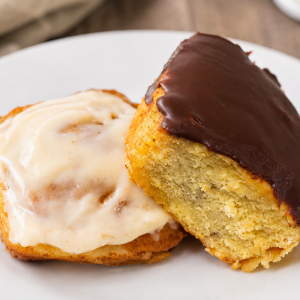
Pastries are baked fresh rather than produced in bulk and stored under refrigeration or reheated from frozen stock. Laminated doughs are prepared over multiple days, with resting periods between folds to allow gluten relaxation and butter layer development. Once shaped, pastries are proofed and baked the morning of service, ensuring the layers remain distinct and the crust develops proper color and crispness. Fillings and glazes are applied close to bake time to prevent sogginess and maintain structural integrity.
You'll notice that fresh-baked pastries have a crisp exterior that shatters slightly when bitten, and the interior layers separate cleanly rather than compressing into a dense mass. Flavors are more pronounced because ingredients haven't been dulled by freezing and reheating, and the texture remains light rather than turning gummy or tough. Pastries are best consumed the day they're baked, as the qualities that make them appealing—flaky layers, crisp crusts, fresh fillings—begin to degrade once exposed to air and moisture.
Availability depends on daily baking schedules, and popular items may sell out by mid-morning during weekends. Advance orders ensure specific pastries are reserved for pickup at your preferred time. Seasonal variations and specialty items are introduced based on ingredient availability and customer requests, with lead time required for items that involve multi-day dough preparation.
Frequently Asked Pastry Questions
Twin Falls mornings call for pastries that reflect the care behind the baking process. Here's what customers want to know before placing orders.
What types of pastries are available?
Pastry selection varies based on daily baking schedules and seasonal availability. Common options include croissants, danishes, turnovers, and filled pastries, with flavors and fillings adjusted based on ingredient availability and customer preferences.
How much do fresh pastries cost at a bakery in Twin Falls?
Pricing reflects the scratch-baked or laminated dough process, ingredient quality, and time involved in preparation. Fresh pastries cost more than café or grocery store options because they're made from scratch each day rather than reheated from frozen stock.
Can I order pastries in advance for weekend pickup in Twin Falls?
Yes, advance orders are recommended for weekends and busy mornings to ensure specific pastries are available at your preferred pickup time. Orders are placed by phone or in person, and pickup is scheduled based on daily baking schedules.
Should I go to a specialty bakery for pastries or is a coffee shop good enough in Twin Falls?
Coffee shop pastries are typically reheated from frozen or par-baked product, while specialty bakery pastries are made from scratch using traditional lamination or dough preparation methods. The difference shows up in texture, flavor, and freshness.
What makes laminated dough pastries different from regular pastries?
Laminated dough involves folding butter into dough multiple times to create distinct layers that puff and separate during baking. This produces the flaky texture found in croissants and danishes, and the process requires multiple days of preparation compared to standard scratch dough pastries.
Julia's Deliciousness bakes all pastries in a health department permitted facility in Twin Falls, Idaho, using scratch or laminated dough processes that match the quality standard applied to custom cakes and artisan bread. Contact (208) 320-0543 to check daily availability or place an advance order.